Scope call
Thirty minutes, free. You bring the last proposal and the deadline list. We bring questions.
About Mercer Row · 788 Columbus Avenue
A small shop on the Upper West Side that writes grants for nonprofits with a real program and too few hours. Here’s how we work, what we won’t do, and what a week with us looks like.
The short history
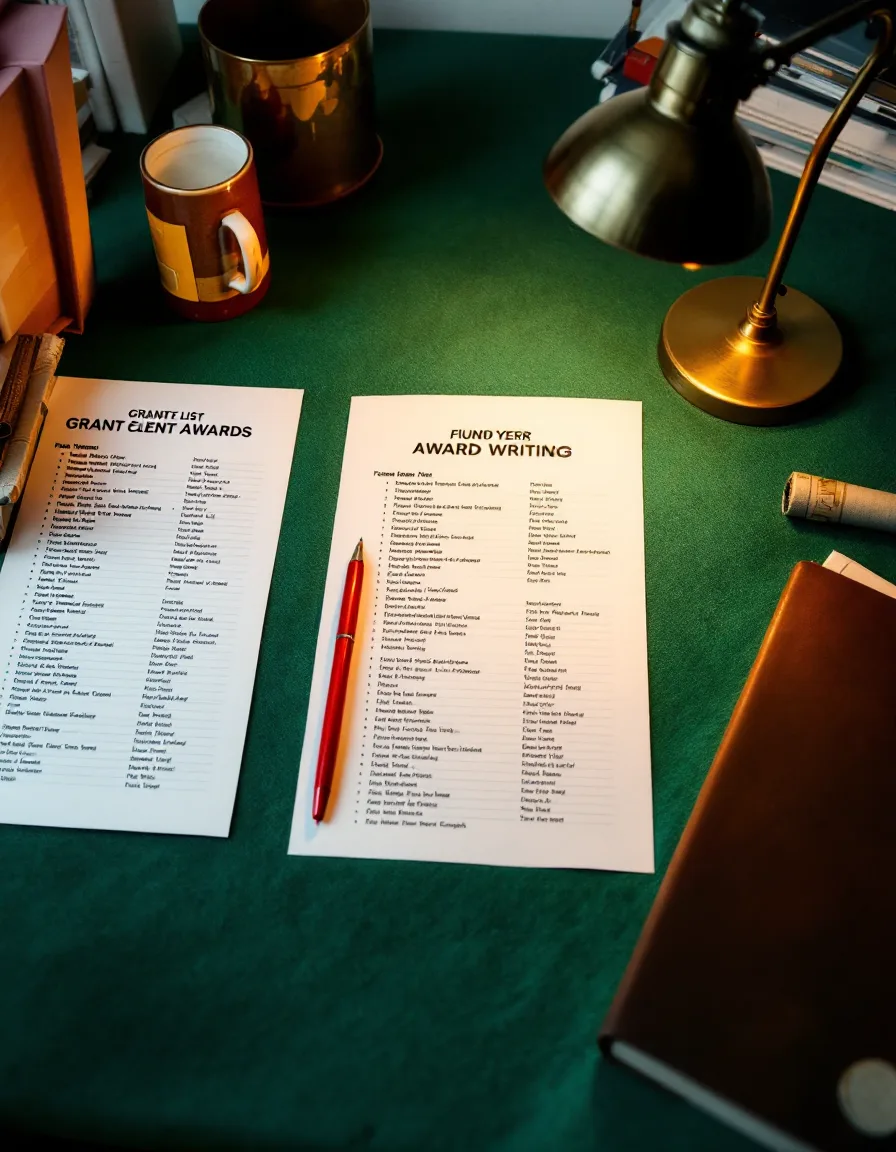
Mercer Row exists because small nonprofits keep getting two bad offers: a freelancer who disappears after the first draft, or an agency that bills a percentage of an award nobody can promise. Neither one fits an executive director who is also the bookkeeper.
So we do it the dull, reliable way. We read what a funder actually paid for in recent years. We write the application in your voice, because you’re the one signing it. We bill a flat number you can put in a budget line before we start.
We’re small on purpose. We take a handful of packages at a time, and when we’re full we say “not this quarter” instead of rushing your draft. That costs us work. It keeps the work we do take decent.
Everything we write for you ends up in your own library, so the next application, written by us or by your new hire, starts further along than the last one did.
Rather hear it than read it? We pick up weekdays, 11am to 4pm.
Ring the shopThings we say no to
Percentage fees push a writer toward big, flashy asks instead of the right ones. We charge flat, so our advice can’t be bent by the payout.
Anyone promising one is guessing or lying. We can raise your odds. We can’t call a program officer’s mind.
If a funder’s last three award lists don’t look like you, we’ll say so before you pay for a draft. That check is built into every letter of inquiry.
Boilerplate belongs in your library. The ask itself gets written fresh for each funder, or it doesn’t go out.
Two edit rounds are in every package. A deadline three days out with no time for either is a conversation, not an automatic yes.
What a full application looks like
The full-application package runs three weeks. Here’s where your time goes and ours.
Thirty minutes, free. You bring the last proposal and the deadline list. We bring questions.
Award lists, guidelines, past grantees. We report back with a yes, a no, or a “wait.”
Narrative and budget narrative written together so they tell one story.
You mark it up. We rewrite. Two rounds are included; a third is $180.
Attachments checklist, last proofread, and the file handed back ready to submit.
A few hours of your time up front, files within three days of any request, and honest feedback in the edit rounds. Slow replies are the number one reason drafts slip.
The finished application, the research notes on the funder, and every reusable paragraph filed into your proposal library when we’re done.
If that sounds like the kind of shop you’ve been looking for, say hello.
Write to usWhere to find us
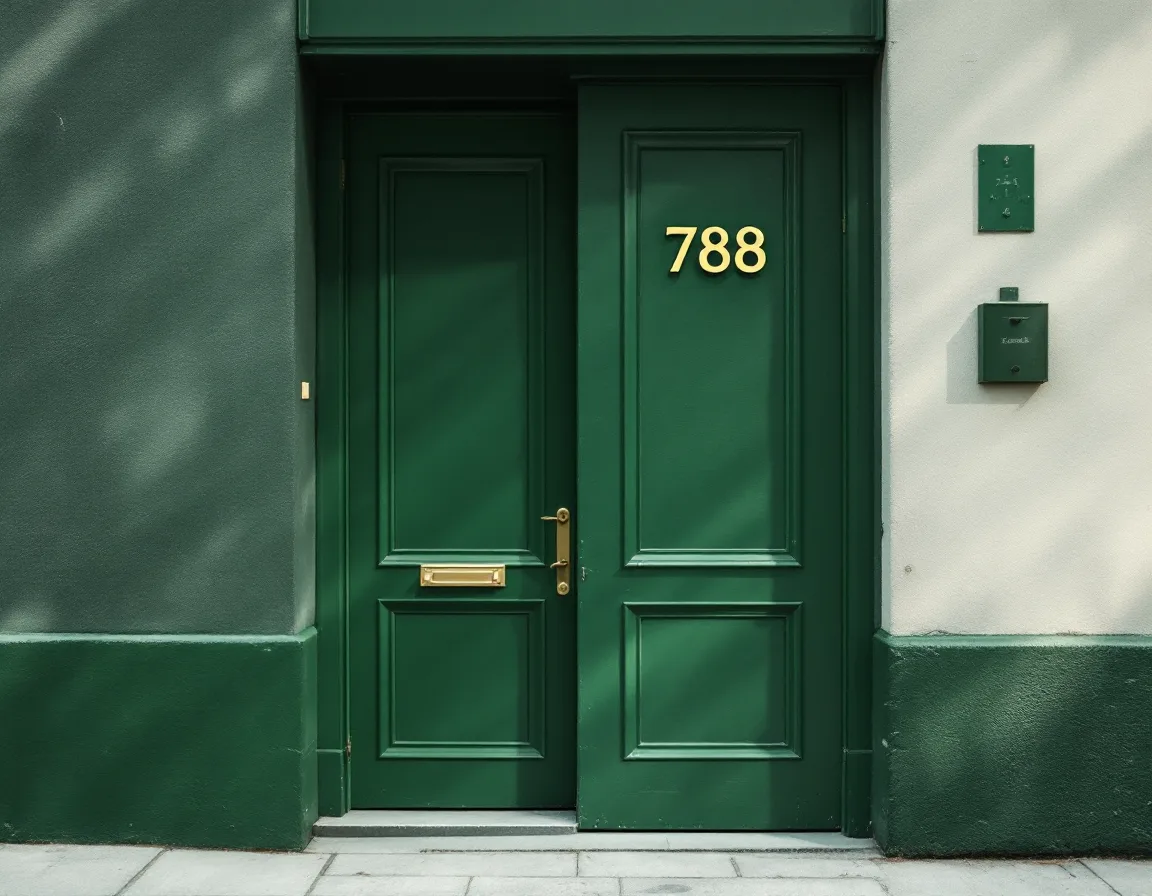
788 Columbus Avenue
New York, NY 10025
Weekdays 11am–4pm. Visits are by appointment so we’re in and the desk is clear. Call first.
Deadline closing in? Tell us the date. We’ll tell you if it’s doable.
Dial (212) 762-9195